
$300 Last-minute special registration fee through Sept. 22
Discounted registration for American Trails Members and for Wisconsin communities and organizations
FREE CONTINUING EDUCATION LEARNING CREDITS AVAILABLE
Creative Placemaking for Rural & Outdoor Recreation Communities: Building Places People Love Through Arts, Culture & the Outdoors
THREE 2-HOUR VIDEO CONFERENCE SESSIONS
Thursdays, Sept. 24 - Oct. 8, 2026 + optional Q&A Oct. 15 • 9-11 PT/12-2 ET
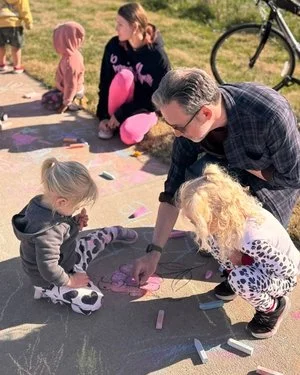
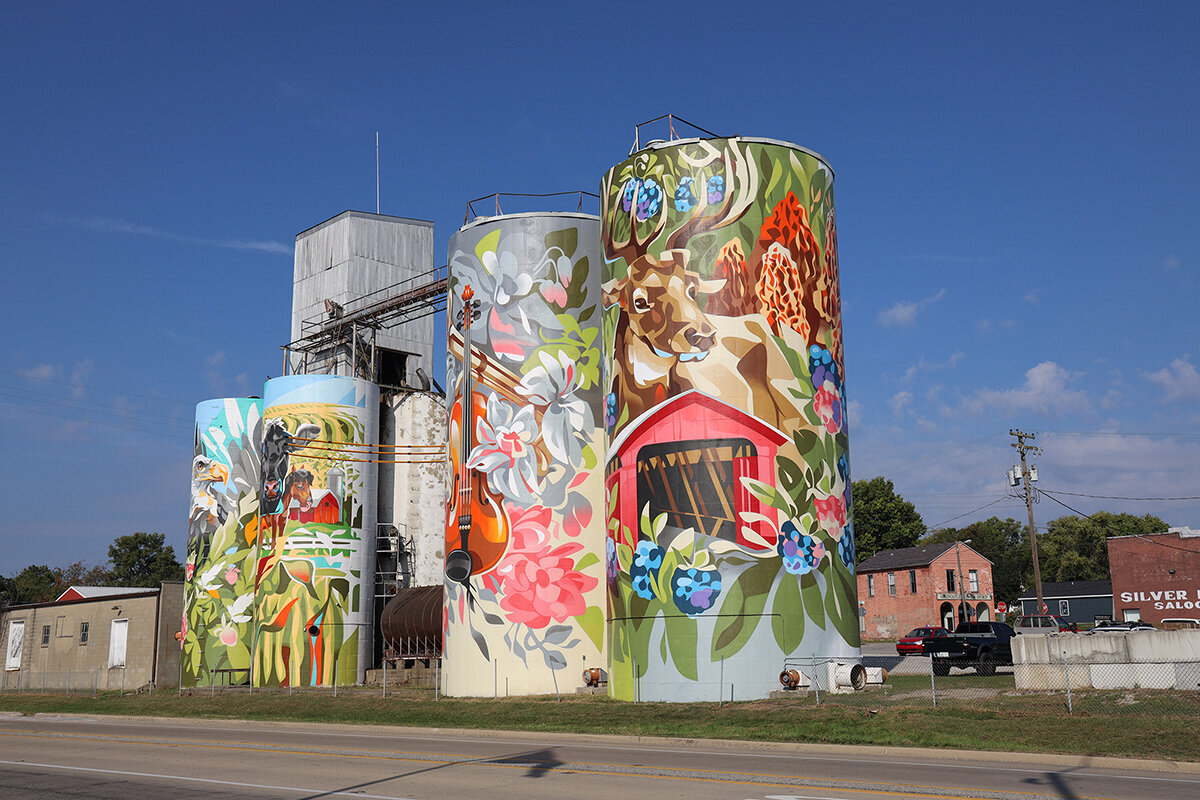
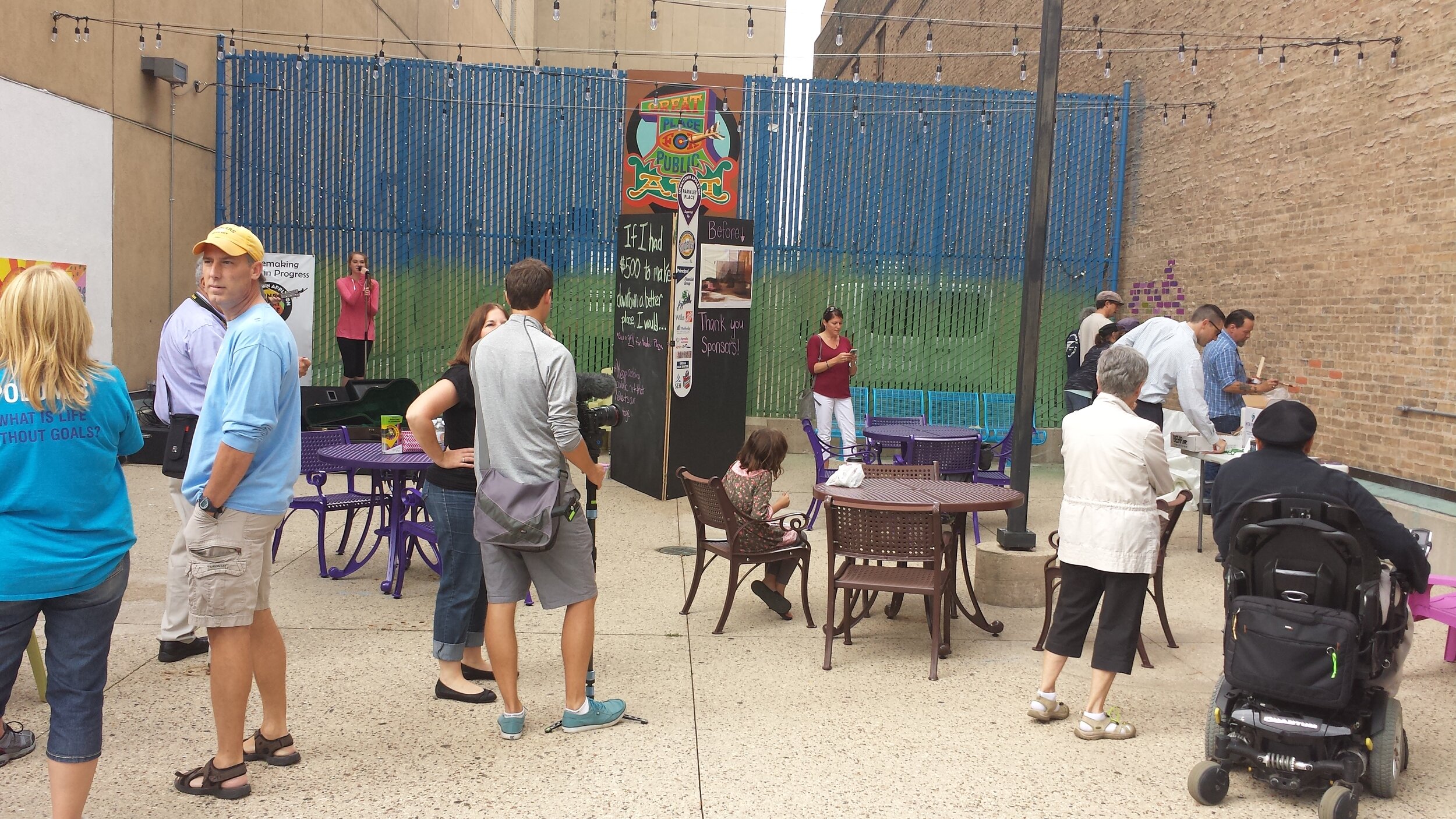
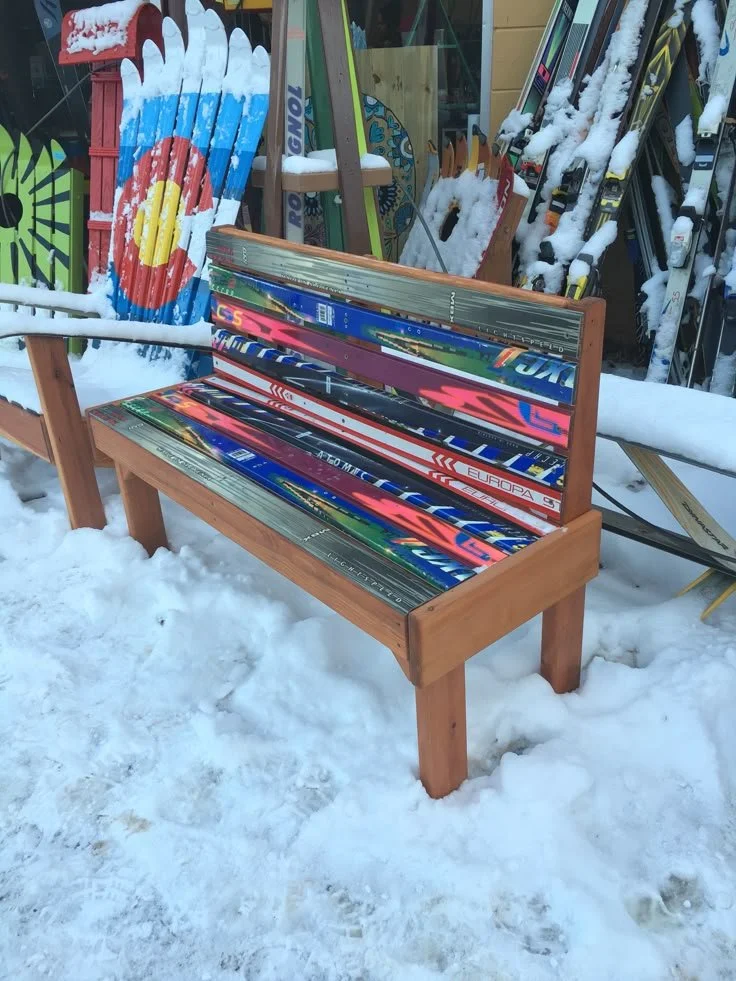
Make the most of two of your community's greatest assets: its creativity and its landscape. Creative Placemaking leverages arts and culture to engage, revitalize and reshape communities — and in rural and outdoor recreation towns, it does something more, combining the forces of nature and culture into a shared engine for community vitality and economic resilience.
Across the country, rural communities are discovering that outdoor recreation and the arts are stronger together. A town pairs a new bike trail with public art and downtown murals; a riverfront becomes both a put-in and a performance space; a gateway community tells its story through wayfinding designed by local artists. These aren't separate strategies. They're one integrated approach to making a place where people want to live, work, play, and visit.
Creative Placemaking is as much about "doing" as planning, turning under-appreciated assets — an empty building on Main Street, a vacant lot, a trailhead, a stretch of riverbank, a city park on a summer evening — into focal points for new community spirit. These shared spaces shape the bonds, trust, and networks that help us thrive, imagine, create and face adversity together.
This course teaches you how. You'll learn to map and connect your community's outdoor recreation and cultural assets, including the overlooked ones; to integrate arts and culture into recreation and economic development planning; to design hands-on "doing" projects that fit a real-world budget; to expand participation; and to build and sustain the partnerships that make all of it possible — from collaborations with a single artist to complex multi-sector collaborations. You'll leave with a process you can put to work at home, whether you're starting with a single mural or reimagining your whole downtown.
You won't be figuring it out alone. You'll join a cohort of practitioners and community leaders from other places who bring their own experiences, hard-won insight, and advice to share. You’ll leave with not just a plan but a network of people to think alongside after the course ends.
Why use Creative Placemaking? Here’s what some former students have to say:
A service club leader said, “This course made me look at the spaces in my community with fresh eyes.”
One librarian said Creative Placemaking is in perfect alignment with the connecting role that rural libraries and librarians play.
One community-based organization turned to Creative Placemaking because “the usual approaches to planning are so boring.”
A state economic development officer said creative placemaking is the way their state would succeed in the recovery from COVID-19, “through giving voice to the community and community-led design, integrating arts and culture and making a place where people want to live, want to work, and want to play.”
A rural community cultural leader uses Creative Placemaking to help herself look at her “surroundings in different ways, comparing and contrasting neighborhoods, being more aware of communities, being more involved in public policies.”
course objectives:
Foundations — Understand Creative Placemaking and its particular power in rural and outdoor recreation communities, where natural assets and cultural assets reinforce each other.
Implementation & Collaboration — Assemble a cross-sector team that bridges the arts, recreation, conservation, tourism, and economic development worlds; foster artist/community collaborations; and identify the community challenges and recreation-economy opportunities best suited to a placemaking approach.
Community Engagement & Integration — Engage residents in mapping both cultural and outdoor recreation assets (including hidden ones); explore creative "doing"; and integrate arts and culture into recreation, trail, and Main Street planning.
Funding & Promotion — Tap funding and other resources at the arts/recreation intersection and market the unique draw of a community where culture and the outdoors meet.
Sessions
Three, two-hour live webinars plus an optional 60-minute Q&A session. All sessions available for replay in case you miss a session or want to listen again.
Session 1 — Getting started: where the trail meets Main Street. We'll start with what Creative Placemaking really is — not just public art, but the intentional integration of arts, culture, and community-engaged design into how a place plans and builds its future — and why it's such a natural fit for rural and outdoor recreation communities, where natural and cultural assets reinforce each other. You'll look at what it means to work with artists, culture-bearers, and designers as genuine collaborators rather than decorators, see a range of real examples from rural and recreation communities, and begin spotting the opportunities where your own recreation and cultural assets intersect. We'll close on the foundation everything else rests on: assembling a strong cross-sector team that bridges the arts, recreation, conservation, business, and government, and the practical art of growing that coalition without over-formalizing it too soon.
Session 2 — Problems, visions, and your community's raw materials. Creative Placemaking doesn't have to start where conventional planning does. This session explores the three doorways into the work — asset-driven, problem-based, and vision-rooted — and how design thinking, with its emphasis on empathy, deep questioning, and iteration, can sharpen your approach no matter which door you come through. We'll use it to get underneath surface-level problems to the real human needs beneath them, to push past visioning that simply echoes the past, and to imagine futures your community hasn't yet considered, borrowing tools from improv, storytelling, future-thinking, and temporary "pop-up" experiments that let people live a possible future before committing to it. Then we'll turn to your raw materials, using the Community Capitals Framework to map the full range of what you have to work with — natural, cultural, built, social, and more — and explore ways to map and share those assets, connecting trails, waterways, and gateways to your downtown.
Session 3 — Putting Creative Placemaking into action. The final session is about momentum: how to move from a good idea to something real, at any budget. We'll look at creative "doing" across a spectrum of scales — from parklets, pop-ups, and temporary installations to artisan trails and larger placemaking efforts — and at lightweight action frameworks like Strategic Doing, the Idea-Friendly Method, and tactical urbanism that help a group take small, concrete steps together and keep going when things stall. Because resources are a real constraint in rural communities, we'll dig into financing the work from no-budget and volunteer-driven all the way up, with practical guidance on finding local funding first, engaging non-arts funders, and tapping individual giving and crowdfunding. We'll finish where placemaking and identity meet: discovering what's genuinely distinctive about your place, and marketing and promoting a community where the arts and the outdoors come together.
Optional Session 4: Q&A. Open forum for discussing outstanding questions.
Who is this for?
Community & economic development organizations and agency staff • Arts and cultural organizations • Artists • Outdoor recreation offices, alliances & businesses • Land trusts, conservation organizations & watershed groups • Trail and greenway organizations • Parks & recreation departments • Gateway-community coalitions • Tourism & destination marketing organizations • Chambers of Commerce & business alliances • Extension & community development professionals • Downtown & Main Street groups • Tribal communities & cultural leaders • Business owners & other community leaders
Course Instructor
Michele Archie is a principal of The Harbinger Consultancy. She brings 30 years of experience with community engagement and community economic development in rural communities across the West and throughout the country to this course.
Session Dates and Times
Three live 2-hour weekly video conference sessions. Thursdays, Sept. 24 - Oct. 8, 2026 + optional Q&A Oct. 15 • 9-11 PT/12-2 ET
Inquire about custom offerings.
Fees & Details
Every class will be presented live and available for replay in case you need to miss a session or want to review.
$525 regular course fee/$425 early registration discount through July 31, 2026.
Group rates for two or more participants from the same organization or community — $425 per person regular group rate/$375 early registration discount.
Organizational and other special discount codes offer a discount in addition to early registration and group rates.
Special rates for Wisconsin communities & organizations
If you’re from Wisconsin, take advantage of reduced individual and group rates hrough a partnership with the Wisconsin Office of Outdoor Recreation. Join the course for just $300 per person or $600 for a team of three. Use the Wisconsin link at the bottom of the page to register.
american trails member discount
Follow the main tegistration link below and select the American Trails member rate.
Take this course on-demand
If this course is not on our current schedule, or the dates and times don’t work for you, this course is available “on-demand” for a $300 registration fee. What’s included?
Access to all recorded sessions and resources from a previous offering of the course.
Email questions and clarifications with the course instructor while you’re reviewing the recordings.
A 15-minute pre-course meeting and a 45-minute post-course virtual coaching session with the course instructor to help you apply what you learned to your own situation.
Free professional learning credits (optional).
Take the course at your own pace. We’ll be here to support you along the way.
Free continuing education Learning Credits
Through a partnership with American Trails, Harbinger offers free learning credits for this and selected other courses. Credits are available by request, at no charge beyond the course registration fee, contingent on completing the entire course and a brief post-course quiz. American Trails is a certified provider, and you may request credits for:
American Institute of Certified Planners Continuing Maintenance (AICP CM)
Landscape Architecture Continuing Education System (LA CES PDH)
National Recreation and Park Association (NRPA CEU)
CEU/PDH equivalency petition for other accepting organizations
This course provides 6.00 CM | 6.00 LA CES HSW | 0.60 CEU/6.00 PDH Equivalency Petition